The Saturday Morning Pilgrimage: When Kids Begged to Go Toy Shopping
The Saturday Morning Pilgrimage: When Kids Begged to Go Toy Shopping
Every Saturday morning in 1985, eight-year-old Michael Thompson would wake up before his parents, creep downstairs, and carefully arrange his allowance money on the kitchen counter. Not to count it—he'd done that seventeen times already—but to make sure his mom would see it when she came down for coffee. The destination? Toys R Us. The mission? To walk every single aisle of the warehouse-sized wonderland, even if he could only afford a pack of baseball cards.
For millions of American kids, the local toy store wasn't just a place to buy things. It was a destination, an experience, a pilgrimage that required planning, anticipation, and often elaborate negotiations with parents who just wanted to run errands at the mall.
The Cathedral of Childhood Dreams
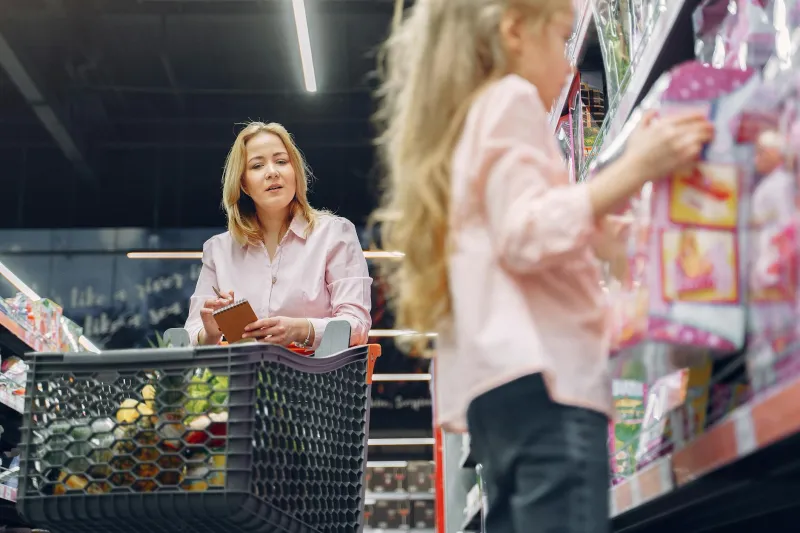
Step into a Toys R Us circa 1990, and you'd understand why kids treated it like Disney World. Towering shelves stretched toward fluorescent-lit ceilings, creating canyons of possibility. The Barbie aisle glowed pink for what seemed like city blocks. The LEGO section resembled a colorful mountain range. And in the back corner, the video game display cases hummed with the promise of digital adventures, each cartridge locked away like precious artifacts.
"I don't want to grow up, I'm a Toys R Us kid," the jingle promised, and for good reason. The store was designed to overwhelm the senses in the best possible way. Kids would spend hours just looking, planning, dreaming. Parents learned to budget not just money, but time—because you couldn't rush the sacred ritual of toy store browsing.
Kay-Bee Toys, tucked into mall corners across America, offered a different but equally magical experience. Smaller and more intimate, it felt like a treasure cave where discovering the perfect action figure required serious excavation skills. The narrow aisles meant kids had to squeeze past each other, creating impromptu friendships over shared excitement about the latest Nintendo release.
The Art of the Slow Browse
What made these expeditions special wasn't the buying—it was the browsing. Kids would develop elaborate strategies for covering every inch of the store. Some went systematically, aisle by aisle. Others bee-lined to their favorite sections first, saving the best for last. Many developed a ritual of checking the clearance endcaps, hoping to discover a marked-down treasure their allowance could actually afford.
The anticipation was everything. You'd spot a toy during one visit, think about it all week, maybe even dream about it. The next Saturday couldn't come fast enough. Sometimes the toy would be gone when you returned—a heartbreak that taught valuable lessons about decision-making and the finite nature of desire.
Parents, meanwhile, learned to navigate this landscape with the skill of seasoned diplomats. They'd set expectations ("We're just looking today"), establish budgets ("You can pick one thing under ten dollars"), and master the art of distraction when the inevitable meltdown occurred in aisle seven.
When Discovery Died
Today's children experience toy acquisition in an entirely different universe. Amazon's algorithm knows what they want before they do. YouTube unboxing videos show them every detail of a toy before they touch it. Same-day delivery means the gap between wanting and having has shrunk to hours, not weeks.
The modern toy shopping experience happens on screens. Kids scroll through endless digital aisles, add items to wishlists, and wait for packages to arrive. It's efficient, comprehensive, and completely devoid of the serendipity that made those Saturday morning pilgrimages magical.
The Death of Anticipation
When Toys R Us filed for bankruptcy in 2017, it wasn't just a business story—it was the end of an era. The last generation of Americans who understood that sometimes the journey to get something was more valuable than the thing itself watched their childhood cathedral close forever.
Modern parents trying to recreate this magic face an impossible task. Target's toy section, while impressive, exists within a larger ecosystem of groceries and home goods. It's utilitarian, not transformative. Online retailers offer selection but no atmosphere. Even the surviving toy stores feel different in an age where kids have already seen everything on TikTok.
What We Lost in the Click
The old toy store experience taught patience, decision-making, and the art of delayed gratification. Kids learned to compare, contrast, and prioritize. They developed relationships with physical spaces and understood that some experiences couldn't be rushed.
More importantly, they learned that wanting something could be almost as satisfying as having it. The weeks of anticipation between seeing a toy and saving enough to buy it created a depth of appreciation that instant gratification can't match.
Today's children have access to more toys than ever before, delivered faster than previous generations could imagine. But they've lost something irreplaceable: the understanding that some of life's greatest pleasures come not from the destination, but from the journey of getting there.
The Saturday morning pilgrimage to the toy store wasn't just about buying things. It was about learning to dream, to wait, to hope, and to understand that the best experiences in life are often the ones that require a little effort to reach. In our rush to make everything faster and easier, we forgot that sometimes the slow way was actually the better way.