The 6 O'Clock Gospel: When Americans Waited All Day to Learn What Happened in Their World

The Appointment with Walter Cronkite
Every weeknight at 6:30 PM, America stopped what it was doing. Dinner plates were cleared, homework was paused, and families gathered around their television sets for a sacred 30-minute ritual. Walter Cronkite, Tom Brokaw, or Peter Jennings would appear on screen, and for the next half hour, Americans would learn what had happened in their world that day.
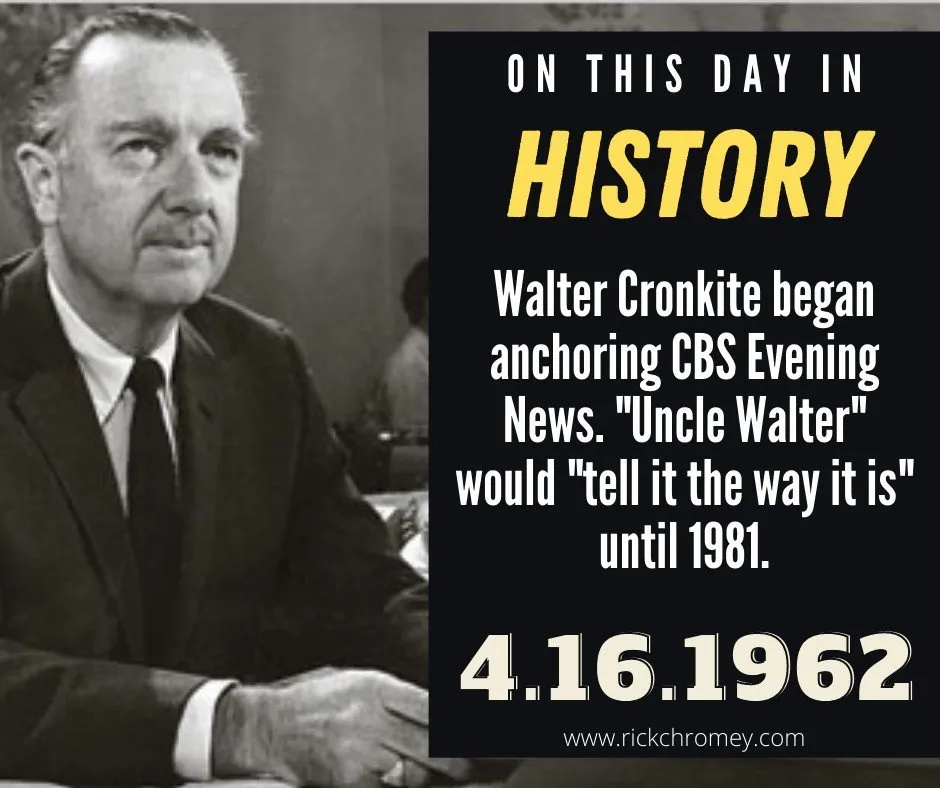 Photo: Walter Cronkite, via rickchromey.com
This wasn't just television—it was a national séance. The evening news represented the official end of the information day. Whatever had occurred in Washington, Moscow, or Main Street would be filtered through these trusted voices, packaged into digestible segments, and delivered with the authority of scripture. When Cronkite signed off with "And that's the way it is," Americans believed him completely.
The beauty of this system wasn't just its reliability—it was its finality. Once the newscast ended, the information day was over. There would be no updates, no breaking developments, no reason to check for more news until tomorrow's newspaper arrived on the front porch.
The Patience of Ignorance
Modern Americans can barely comprehend the information delays that once defined daily life. When President Kennedy was assassinated on a Friday afternoon in November 1963, millions of Americans didn't learn about it until they got home from work and turned on their televisions. Major earthquakes, political scandals, and international crises could unfold for hours before most citizens had any idea they were happening.
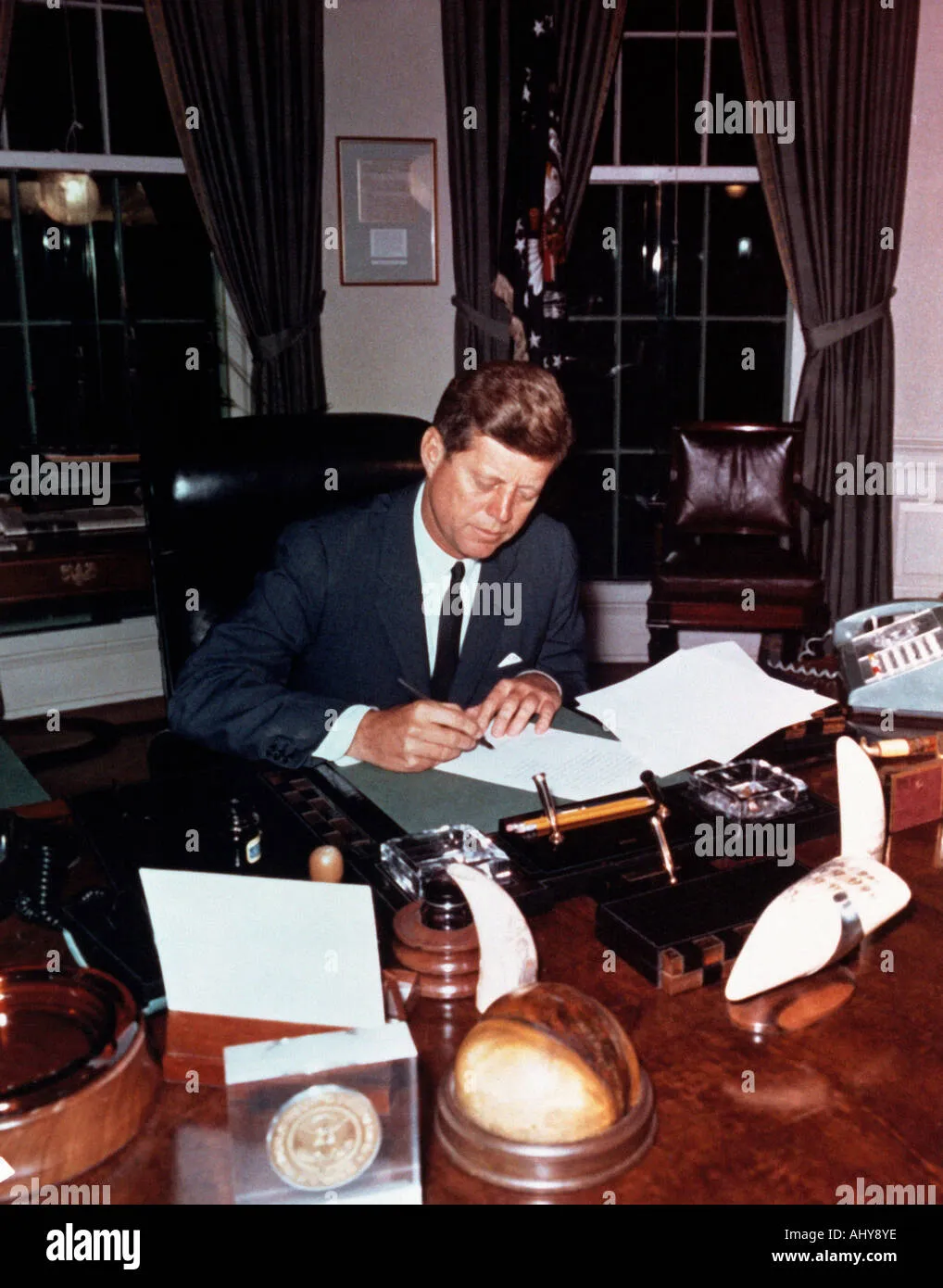 Photo: President Kennedy, via c8.alamy.com
This forced patience created a different relationship with current events. News had to be genuinely significant to interrupt regular programming. When CBS broke into "As the World Turns" to announce Kennedy's death, viewers understood immediately that something monumental had occurred. The very act of interruption carried weight that today's constant stream of "breaking news" alerts has completely diluted.
People planned their information consumption around these scheduled broadcasts. They would save questions about current events for the evening news, confident that any story worth knowing would be explained by professionals who had spent all day researching and verifying the facts.
The Rhythm of Revelation
The morning newspaper and evening television news created a natural rhythm for processing information. You started your day with yesterday's events, carefully analyzed and contextualized by journalists who had worked through the night to make sense of complex developments. You ended your day with today's events, presented by anchors who had spent hours determining which stories deserved national attention.
This system built in time for reflection and analysis. News wasn't just information—it was interpretation. By the time events reached the general public, they had been filtered through multiple layers of editorial judgment. Reporters had interviewed sources, editors had verified facts, and producers had determined the appropriate context and emphasis.
The result was a shared national understanding of what constituted "news." When three networks and a handful of major newspapers controlled information distribution, Americans largely agreed on which events were important and how they should be understood. This created a common foundation for political discourse that seems impossible to imagine today.
The Mental Health of Delayed Gratification
Living in an information-delayed world required different psychological skills than today's instant-access environment demands. Americans had to tolerate uncertainty, accept incomplete information, and resist the urge to seek immediate answers to every question that arose during their day.
This enforced patience may have been mentally healthier than our current state of perpetual information anxiety. When you couldn't know everything immediately, you stopped expecting to know everything immediately. The absence of information wasn't a problem to be solved—it was simply the natural state of being human.
People developed stronger internal narratives about current events because they had time to process information before receiving updates. They could form complete thoughts about a developing story instead of constantly revising their understanding based on real-time feeds of incomplete information.
When Breaking News Actually Broke Something
The phrase "breaking news" once carried genuine urgency. Television networks didn't interrupt programming lightly—doing so cost money and risked viewer anger. When those words appeared on screen, Americans understood that something truly extraordinary was happening.
Compare that gravity to today's "breaking news" alerts for routine political statements, minor celebrity incidents, or regional weather events that affect a tiny fraction of the audience. We've trained ourselves to expect constant interruption while simultaneously learning to ignore most of it.
The old system's scarcity created value. When information was limited and scheduled, people paid attention. News anchors commanded respect not just because of their journalism credentials, but because they controlled access to information that citizens couldn't obtain anywhere else.
The Unraveling of Shared Reality
The transition from appointment television to always-on information streams has fundamentally altered how Americans understand their world. We've gained access to unlimited information but lost the shared experience of learning about events simultaneously.
Today's news cycle operates on the assumption that faster is better, that more information is always preferable to less, and that citizens need constant updates about developing situations. But this approach has created a population that's simultaneously over-informed and under-educated about current events.
We know about breaking developments within minutes of their occurrence, but we rarely understand their context or significance. We're drowning in real-time updates about events that may not matter by tomorrow, while struggling to maintain focus on stories that require sustained attention to comprehend properly.
The Lost Art of Information Digestion
Perhaps most importantly, the old news cycle allowed time for proper digestion of complex information. Major stories would develop over days or weeks, with each evening's broadcast building on the previous night's reporting. Audiences could follow narratives as they unfolded, developing deeper understanding through repetition and elaboration.
Now we're expected to form instant opinions about complicated situations based on incomplete information delivered through platforms designed to maximize engagement rather than promote understanding. We've optimized for speed and volume while sacrificing depth and comprehension.
The evening news wasn't perfect—it certainly had biases and limitations—but it provided something our current information environment lacks: a daily ritual of shared learning that helped Americans feel connected to both their country and their fellow citizens. In our rush to know everything immediately, we may have forgotten the value of learning together, slowly, with patience and purpose.