When Americans Actually Talked to Each Other: The Death of the Front Porch
The Architecture of Friendship
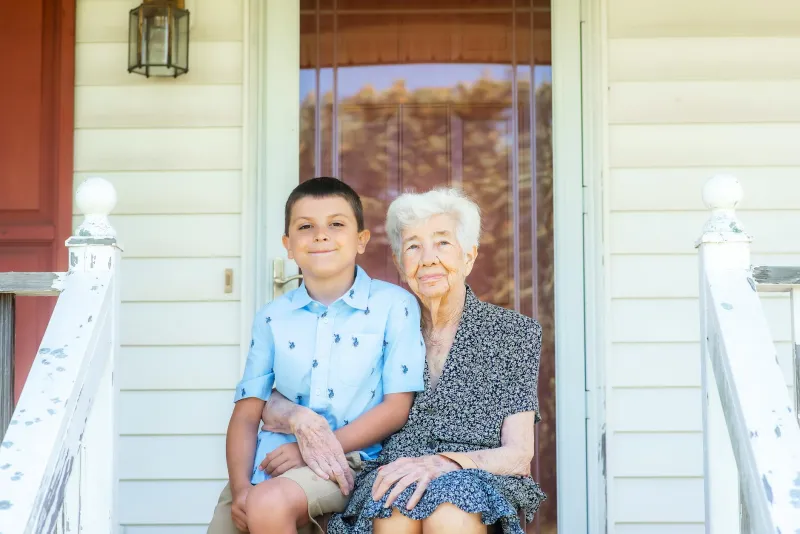
Drive through any American neighborhood built before 1950, and you'll notice something that modern suburbs lack: front porches. Not tiny stoops or decorative entryways, but genuine porches with chairs, swings, and enough space for an entire family to spend their evenings watching the street. These weren't just architectural features—they were the social infrastructure of American community life.
For the better part of a century, the front porch served as America's unofficial town square. Every evening after dinner, families would migrate outdoors to catch the breeze, chat with neighbors, and keep an eye on the neighborhood children. It was impossible to live in these communities without knowing your neighbors' names, their children's ages, and their opinions on everything from local politics to the weather.
Then, almost overnight in historical terms, Americans abandoned their front porches and retreated indoors. Today, most Americans can't name the people living next door, let alone carry on regular conversations with them. The transformation from porch culture to privacy culture represents one of the most dramatic social changes in modern American history.
When Privacy Was a Luxury Nobody Wanted
In the early 20th century, American homes were deliberately designed to encourage interaction with the outside world. Front porches sat just a few feet from sidewalks, putting residents in constant visual and auditory contact with passersby. Windows faced the street rather than private courtyards. Yards were open expanses without privacy fences, creating a continuous social landscape where children played together and adults naturally fell into conversation.
This wasn't accidental. Architects and city planners believed that healthy communities required daily contact between neighbors. The front porch served as a semi-private space where families could enjoy fresh air while remaining connected to neighborhood life. Sitting on your porch after dinner wasn't just relaxation—it was civic participation.
Neighborhood children played elaborate games of hide-and-seek that spanned multiple yards, while adults kept collective watch from their porches. Everyone knew which kids belonged to which families, who was visiting from out of town, and when someone might need help with groceries or yard work. This wasn't nosiness; it was the natural result of living in visible proximity to your neighbors.
The Great Retreat Begins
The decline of front porch culture began with a series of technological and social changes that seemed unrelated to neighborhood design. Air conditioning, first installed in movie theaters in the 1920s and gradually spreading to middle-class homes after World War II, eliminated the primary reason Americans spent evenings outdoors. Why sit on a hot porch when you could relax in climate-controlled comfort?
Television delivered the knockout punch. By the 1950s, American families were gathering around television sets instead of front porches for their evening entertainment. The social focus shifted from the neighborhood to the living room, from local conversation to national programming. Suddenly, Americans had more in common with TV characters than with the people living across the street.
Suburban developers quickly adapted to these changing preferences. New neighborhoods featured homes with prominent garages, private back decks, and either no front porches or merely decorative ones too small for actual use. The message was clear: modern Americans wanted privacy, convenience, and separation from their neighbors.
Building Walls Between Us
The physical changes were dramatic. Privacy fences became standard features, turning open neighborhoods into collections of private compounds. Driveways led directly to garages, allowing residents to enter and exit their homes without encountering neighbors. Back decks and patios replaced front porches, creating outdoor spaces that faced away from the street.
Gated communities represented the logical extreme of this trend. By the 1980s, millions of Americans were choosing to live behind walls and security gates, with homeowner associations enforcing strict rules about everything from lawn care to house colors. The goal was creating perfectly controlled environments where residents could enjoy suburban life without the unpredictability of actual community interaction.
Even the timing of daily activities changed. Instead of synchronized evening porch-sitting, Americans began living on individual schedules. Some commuted long distances to work, others worked from home, and many socialized primarily with people from their workplace or hobby groups rather than their geographic neighbors.
The Numbers Tell the Story
The statistics on American neighborliness are sobering. In 1974, surveys found that Americans had an average of 2.94 close friends. By 2021, that number had dropped to 1.9. More than 12% of Americans now report having no close friends at all—a number that would have been almost impossible in the front porch era.
Neighborhood connections have fared even worse. Recent studies show that only 26% of Americans know most or all of their neighbors by name, compared to estimates suggesting that nearly all Americans knew their neighbors in the early 20th century. In many suburban neighborhoods, the only regular interaction between neighbors occurs during brief encounters while checking mail or walking dogs.
The decline isn't just about friendship—it's about practical community support. Americans are far less likely to borrow tools from neighbors, organize informal childcare arrangements, or coordinate neighborhood improvement projects. The informal safety nets that front porch communities provided have largely disappeared.
What We Lost in the Translation
The retreat from front porch culture cost Americans more than just casual friendships. Neighborhoods with strong social connections have lower crime rates, better property values, and more effective responses to local problems. When neighbors know each other, they're more likely to watch each other's homes, report suspicious activity, and organize collective action on issues like traffic safety or local development.
Children growing up in socially connected neighborhoods develop better social skills and stronger community ties. They learn to navigate relationships with adults outside their immediate family and gain experience resolving conflicts with peers. The informal supervision provided by neighborhood adults creates safer environments for outdoor play and independent exploration.
Perhaps most importantly, front porch culture provided Americans with regular practice in democratic participation. Neighborhood conversations taught people how to discuss local issues, negotiate compromises, and work together on shared problems. These skills translated directly into more effective civic engagement and stronger local institutions.
The Digital Porch That Never Materialized
Social media platforms promised to recreate the community connections that physical neighborhoods once provided. Apps like Nextdoor specifically target neighborhood-level interaction, while Facebook groups organize around local interests and concerns. Yet these digital connections lack the spontaneous, multi-generational quality of front porch encounters.
Online neighborhood groups often devolve into complaints about parking, package theft, and noise rather than the relationship-building conversations that happened naturally on front porches. The algorithmic sorting of social media means Americans increasingly interact only with people who share their existing interests and opinions, rather than the diverse cross-section of neighbors they would have encountered in geographic communities.
Signs of a Possible Revival
Some urban planners and architects are attempting to revive front porch culture through "New Urbanism" design principles. These developments feature narrow streets, sidewalks, and homes with prominent front porches designed to encourage neighbor interaction. Early results suggest that physical design can indeed influence social behavior, though it remains to be seen whether Americans will embrace a return to more connected neighborhood life.
The COVID-19 pandemic temporarily revived some aspects of front porch culture as Americans rediscovered their immediate neighborhoods during lockdowns. Porch concerts, driveway gatherings, and sidewalk conversations became common ways to maintain social connections while staying safe. Yet most of these interactions faded as normal routines resumed.
The Price of Privacy
The transformation from front porches to back decks represents a fundamental shift in American values from community connection to individual privacy. We've gained climate-controlled comfort, entertainment on demand, and the freedom to live without constant neighbor interaction. We've lost the daily practice of democracy, the informal safety nets of connected communities, and the simple pleasure of knowing the people who share our streets.
Whether this trade-off was worth it depends on what Americans value most: the convenience of modern suburban life or the social connections that made neighborhoods feel like communities. What's certain is that we can't have both—the architecture of privacy and the culture of connection are fundamentally incompatible.
The front porch era may be over, but its lessons about the relationship between physical design and social life remain relevant. How we build our communities shapes how we relate to each other, and the choices we make about privacy versus connection will determine whether future generations of Americans know their neighbors or live as strangers sharing the same streets.