When Curiosity Required a Journey: The Lost Art of Hunting Down Facts
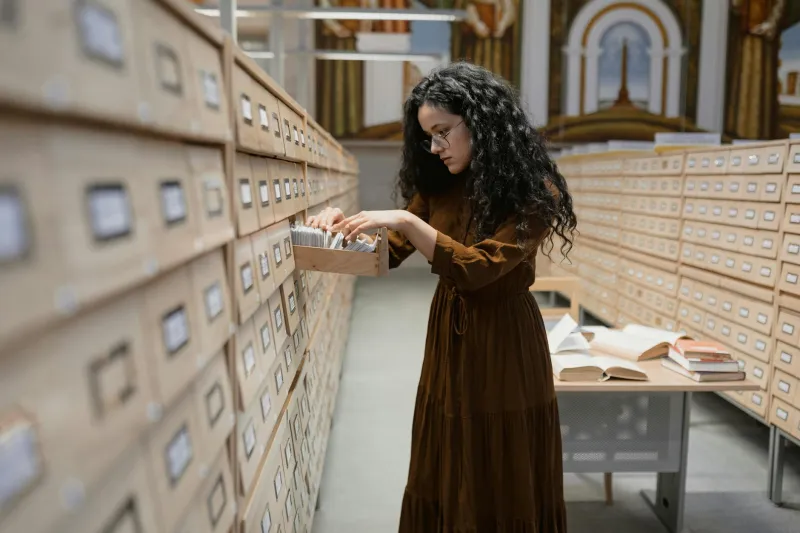
Imagine having a burning question—say, the population of Madagascar in 1953—and knowing that getting the answer would require putting on shoes, driving across town, finding parking, locating the right section of the library, consulting multiple card catalogs, and possibly discovering that the information simply wasn't available anywhere within a 50-mile radius.
That wasn't a broken system. That was just Tuesday.
For most of American history, the gap between wondering about something and knowing the answer wasn't measured in seconds—it was measured in hours, days, or sometimes years. The friction between curiosity and knowledge was so enormous that it fundamentally shaped how people thought about information, learning, and what questions were worth pursuing.
The Physical Geography of Facts
Before the internet, knowledge had a specific address. If you wanted to know something, you had to go somewhere. Public libraries were the primary repositories of human knowledge for ordinary Americans, and getting there required the same kind of planning you'd give to any other significant errand.
Library hours were limited and inflexible. Most were closed on Sundays and evenings, meaning that full-time workers often had to use precious vacation time or lunch breaks to pursue their curiosity. The idea of spontaneous fact-checking was essentially impossible—by the time you could get to a library, you'd often forgotten what you wanted to know.
The card catalog system was a masterpiece of pre-digital organization, but it required genuine skill to navigate effectively. You had to know not just what you were looking for, but how it might be categorized, cross-referenced, and filed. A single misfiled card could make valuable information effectively invisible.
When Librarians Were Information Priests
Reference librarians occupied a unique position in American society as the gatekeepers of human knowledge. They were part detective, part teacher, and part miracle worker, capable of tracking down obscure facts through networks of inter-library loans and specialized collections that could take weeks to navigate.
These professionals developed almost supernatural abilities to decode vague questions and translate them into searchable queries. "I need to know about that thing with the president and the war" could be transformed into a specific research strategy that would eventually yield the information the patron actually needed.
But even the best librarians were limited by the physical constraints of their collections. If your local library didn't have the book, journal, or reference work you needed, you were looking at weeks or months of waiting for inter-library loans—assuming the information existed in accessible form at all.
The Economics of Curiosity
The cost of satisfying curiosity wasn't just measured in time—it had real financial implications. Gas money, parking fees, and lost work time meant that casual fact-checking carried a genuine economic burden. This created a natural filter where only the most pressing questions justified the investment required to answer them.
Families would often designate specific trips to the library, batching their information needs into single expeditions. Kids would compile lists of questions throughout the week, knowing they'd get one shot at the encyclopedia during Saturday's library visit. The scarcity of access made each opportunity precious.
Wealthier families could afford personal reference collections—encyclopedias, atlases, dictionaries—but even these represented significant investments. A complete set of Encyclopedia Britannica could cost the equivalent of several thousand dollars in today's money, making comprehensive reference materials a luxury item.
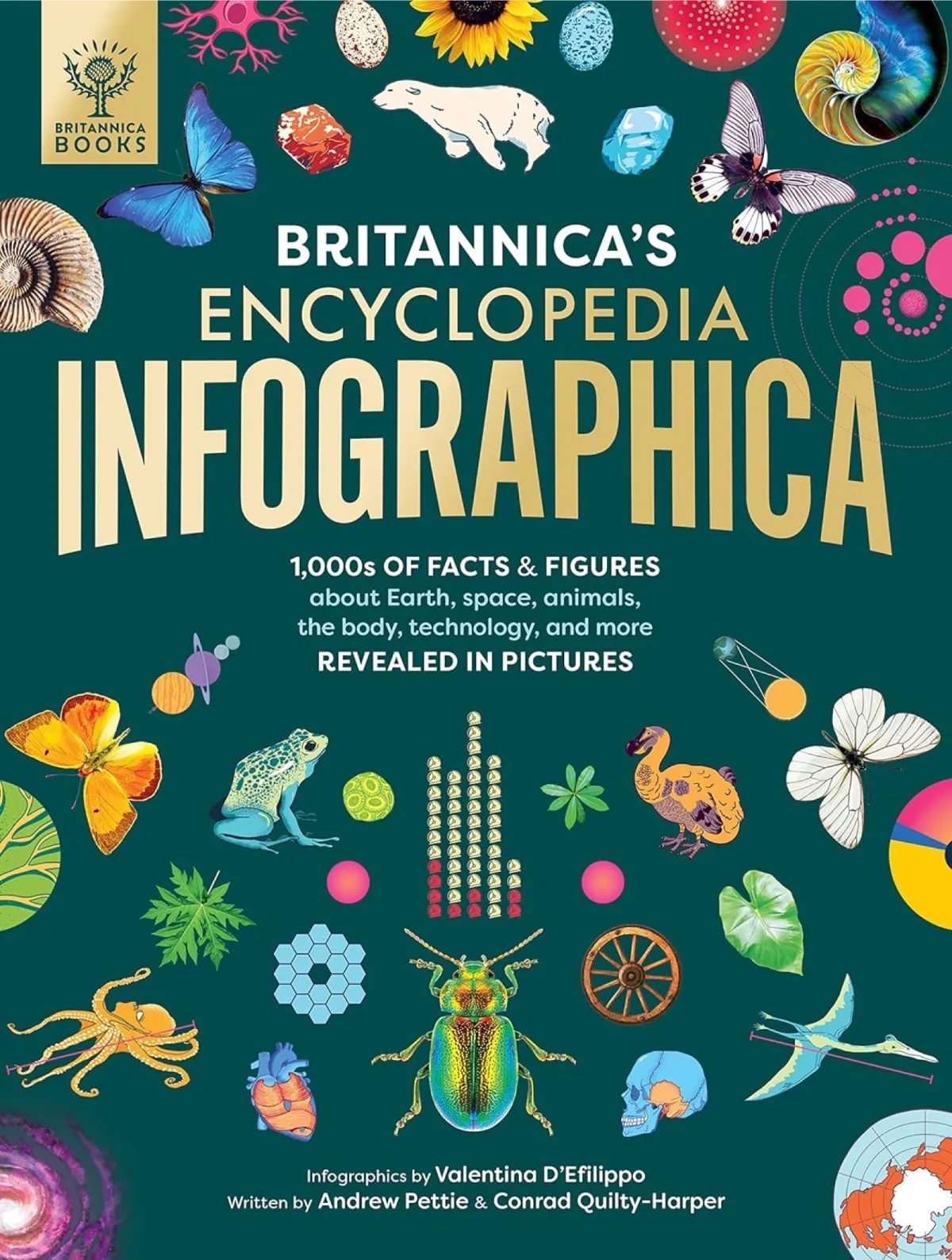 Photo: Encyclopedia Britannica, via ebookfriendly.com
When Not Knowing Was Normal
The friction between questions and answers meant that most Americans lived with vastly more unanswered curiosity than we can imagine today. Dinner table debates would rage for weeks over facts that could have been settled in minutes if the information had been accessible. Families developed elaborate systems for tracking unresolved questions, hoping to remember them during the next library visit.
This constant state of partial knowledge created a different relationship with uncertainty. Americans were comfortable with not knowing things immediately, because immediate knowledge simply wasn't an option. The phrase "I'll have to look that up" carried real weight—it was a commitment to a future expedition, not a casual promise.
The delayed gratification of research also meant that answers, when they finally came, carried more emotional weight. Finding the solution to a question that had nagged at you for weeks created a satisfaction that today's instant answers rarely provide.
The Transformation We Don't Notice
The shift from library-based research to internet search happened so gradually that most people never fully appreciated the magnitude of the change. What had been a major logistical undertaking requiring planning, travel, and specialized skills became something that could happen accidentally while bored on the couch.
The elimination of friction between curiosity and knowledge has fundamentally altered how Americans think about information. We've gained the ability to fact-check everything instantly, but we've lost the patience for deep, sustained research that characterized the library era.
The democratization of information access has been one of the most profound social changes of the past century, yet it's so woven into daily life that we barely notice it. Every casual Google search represents a research project that would have consumed hours of a previous generation's time.
The Questions We've Lost
In the library era, the effort required to find answers meant that people asked different kinds of questions. When research required genuine commitment, Americans focused on questions that seemed worth the investment. This created a natural filter toward deeper, more meaningful inquiries.
Today's instant access to information has eliminated that filter, but it's also eliminated the contemplative space that existed between question and answer. The time it took to get to a library and conduct research often allowed questions to evolve, deepen, or reveal their connection to larger themes.
We've gained unprecedented access to human knowledge, but we've lost something harder to quantify: the sense that information has weight, that answers are earned rather than summoned, and that the journey to understanding might be as valuable as the destination itself.
The next time you reflexively reach for your phone to settle a minor dispute or satisfy idle curiosity, remember that you're exercising a superpower that previous generations could only dream of. The ability to know anything, instantly, from anywhere, represents one of the most dramatic expansions of human capability in history. We just got so used to it that we forgot it was a miracle.