When Your Word Was Worth More Than a Lawyer's Contract: America's Lost Age of Trust
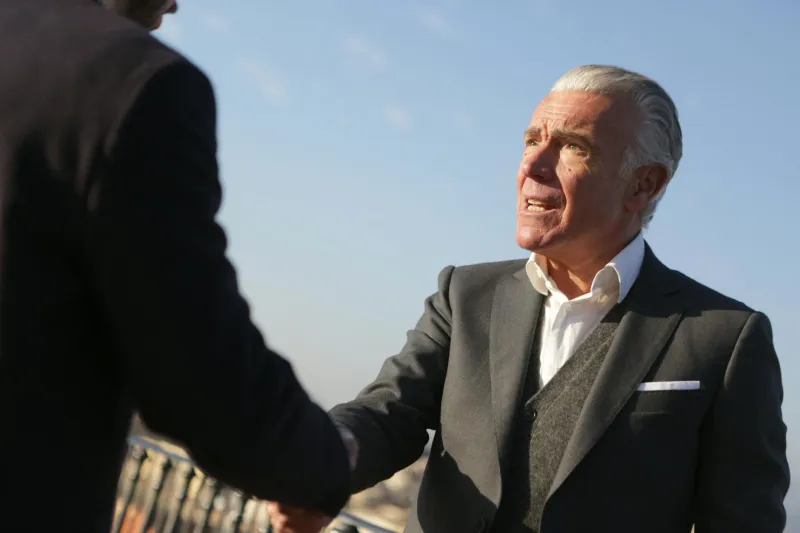
The Last Generation That Did Business on a Handshake
In 1952, my grandfather bought his first pickup truck from Jim Harrison's lot on Route 9. The negotiation lasted twenty minutes. The paperwork consisted of a handwritten receipt and a payment plan scribbled on the back of an envelope. No credit check, no 47-page financing agreement, no extended warranty pitch that required a law degree to understand.
Jim knew my grandfather worked at the mill. My grandfather knew Jim had sold honest vehicles for fifteen years. The truck cost $1,200. The handshake sealed the deal.
Try that today and both parties would be considered legally insane.
When Reputation Was the Only Currency That Mattered
For most of American history, business operated on what economists call "social capital"—the accumulated trust within a community. Your reputation wasn't just important; it was literally your credit score, your marketing strategy, and your business license rolled into one.
Small-town merchants knew their customers' families, work histories, and payment habits going back generations. Banks were locally owned, and loan officers made decisions based on character assessments rather than algorithmic risk models. A contractor's word was his bond because his livelihood depended on neighbors recommending his services.
This system had obvious flaws—it often excluded outsiders and minorities, reinforced existing power structures, and offered little recourse when trust was betrayed. But it also created something we've lost: transactions based on human relationships rather than legal protection.
The Litigation Explosion That Changed Everything
The shift began accelerating in the 1960s and 1970s as America became increasingly mobile and litigious. People moved more frequently, breaking the community ties that made reputation-based business possible. Consumer protection laws, while necessary, also signaled that verbal agreements couldn't protect buyers from sophisticated sellers.
The legal profession grew exponentially. In 1960, America had roughly 285,000 practicing attorneys. By 2020, that number had tripled to over 1.3 million. As legal expertise became more accessible, businesses began protecting themselves with increasingly complex contracts.
What started as reasonable protection against fraud evolved into something approaching paranoia. Today's standard rental car agreement contains more legal language than many 19th-century business partnerships. The average smartphone app requires users to accept terms longer than Shakespeare's Hamlet.
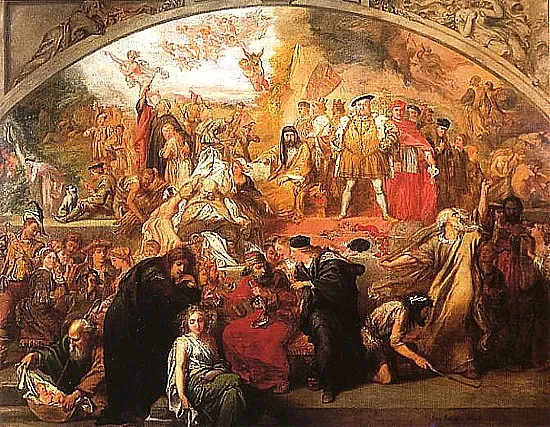 Photo: Shakespeare, via 4.bp.blogspot.com
When Opening a Bank Account Required a Character Reference
Banking offers perhaps the starkest example of this transformation. In 1950, opening a checking account meant walking into your local bank and speaking with someone who likely knew your family. The bank president often lived in the same neighborhood as his customers. Loan decisions were made in face-to-face conversations based on personal knowledge.
Character references weren't just requested—they were essential. The banker might call your employer, your pastor, or longtime family friends to verify that you were "good for it." This wasn't discrimination; it was due diligence in an era before credit bureaus and digital verification.
Compare that to today's banking experience. Opening an account requires multiple forms of ID, credit checks, minimum balance requirements, and agreement to terms that govern everything from overdraft fees to dispute resolution procedures. The process is more fair and standardized, but entirely impersonal.
The Rise of Fine Print as America's Second Language
Somewhere along the way, Americans developed an extraordinary tolerance for incomprehensible legal language. We routinely agree to terms we haven't read for services we use daily. Studies suggest the average American agrees to over 1,000 pages of terms and conditions annually—nearly three pages per day of legal text.
This represents a fundamental shift in how we think about agreements. Our grandparents' generation expected to understand any deal they made. Today, we've accepted that commerce requires surrendering to legal complexity we can't possibly comprehend.
The irony is profound. We have more legal protection than any generation in history, yet we feel less secure in our transactions. We've gained enforceable rights while losing the human connection that made enforcement unnecessary.
What We Gained and Lost in Translation
The modern system isn't without advantages. Standardized contracts protect consumers from predatory practices. Clear terms and conditions prevent misunderstandings. Legal recourse exists when trust is betrayed. Minorities and newcomers can access services without relying on social connections they may not have.
But something essential was lost in translation. Business became transactional rather than relational. We stopped knowing the people we do business with, and they stopped knowing us. Commerce became a series of legal agreements between strangers rather than ongoing relationships between community members.
The psychological impact is underestimated. When every interaction requires legal protection, we begin assuming others intend to cheat us. When every service comes with pages of disclaimers, we expect disappointment rather than satisfaction.
The Trust Deficit in Modern America
Surveys consistently show declining trust in American institutions, businesses, and fellow citizens. Part of this reflects real changes—corporate scandals, identity theft, and sophisticated fraud schemes that would have been impossible in simpler times.
But part of it also reflects the system we've created. When every transaction assumes bad faith, when every agreement requires legal protection, when every business relationship is mediated by incomprehensible contracts, trust becomes not just unnecessary but naive.
We've built a society that functions without trust, then wonder why we feel disconnected from the people and institutions around us.
The Handshake's Last Stand
Trust-based business hasn't disappeared entirely. It survives in pockets—farmer's markets, small-town businesses, certain trades where reputation still matters more than contracts. These exceptions prove the rule: personal relationships still enable smoother, more satisfying transactions when they're possible.
But for most Americans, those possibilities have vanished. We live in communities where we don't know our neighbors, shop at stores staffed by strangers, and conduct business with corporations that view us as liability risks rather than valued customers.
The Warped Timeline of American Commerce
In just sixty years, we've transformed from a society where your word was your bond to one where your signature binds you to terms you haven't read. We've gained legal protection and lost human connection. We've eliminated handshake deals and replaced them with agreements that require legal translation.
The change was probably inevitable as America became larger, more diverse, and more mobile. But it's worth recognizing what we gave up: the simple confidence that came from doing business with people who knew you, and whom you knew in return.
Today's teenagers will never experience the particular satisfaction of a deal sealed with nothing but a handshake and mutual respect. They'll have more legal protection than any generation in history—and less reason to trust that protection will ever be necessary.