When Three Cereal Brands Was Enough: How America Went From Simple Choices to Decision Paralysis
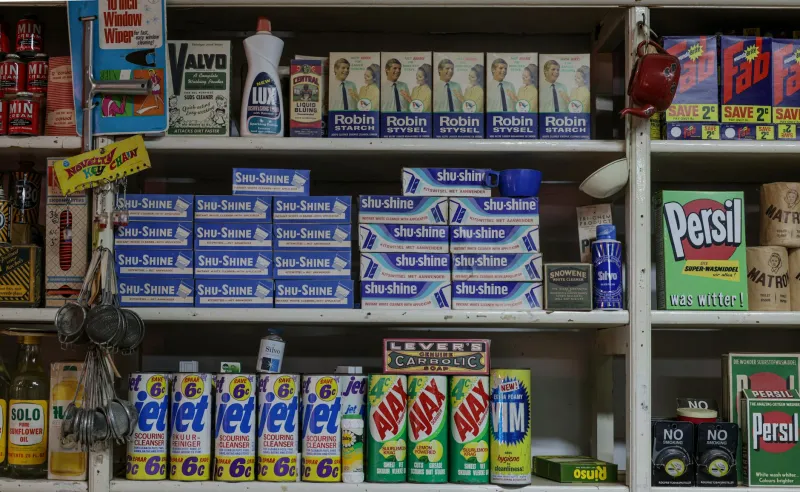
The Simple Days of Shopping
Picture this: It's 1955, and your grandmother walks into Miller's Market on Main Street. She needs breakfast cereal for the family. Her choices are straightforward—Corn Flakes, Rice Krispies, maybe Cheerios if she's feeling adventurous. Three boxes, three decisions, done in thirty seconds. She leaves satisfied, knowing she made a good choice for her family.
Fast-forward to today. You walk into a modern supermarket and face an entire aisle dedicated to breakfast cereals. Rows upon rows stretch toward the ceiling—300 different varieties screaming for your attention. Gluten-free options, protein-enhanced formulas, organic alternatives, ancient grains, probiotics, low-sugar, high-fiber, kid-friendly, adult-focused. Twenty minutes later, you're still standing there, overwhelmed and somehow convinced that whatever you choose will be wrong.
Welcome to the paradox of modern American abundance.
When Less Really Was More
In the 1950s, the average American grocery store stocked around 3,000 products total. The entire store. Today, a typical supermarket carries over 40,000 different items, with some mega-stores pushing 50,000. That's more than a thirteen-fold increase in just seventy years.
Back then, shopping was a social activity rooted in relationships. You knew your grocer, who knew your family's preferences. "The usual for the Johnsons?" wasn't just customer service—it was community knowledge. Decisions were simplified by trust, recommendation, and limited but quality options.
The explosion began in the 1960s and accelerated through the following decades. Food manufacturers discovered that creating product variations—different flavors, sizes, formulations—could capture more shelf space and consumer dollars. What started as genuine innovation became a race to occupy every possible niche in the human palate and lifestyle.
The Hidden Cost of Infinite Options
Psychologist Barry Schwartz coined the term "choice overload" to describe what happens when too many options actually decrease satisfaction and increase anxiety. His research revealed something counterintuitive: people presented with fewer choices are generally happier with their selections than those who choose from extensive menus.
Consider jam shopping. In a famous study, customers encountering a display of 24 jam varieties were less likely to make a purchase than those who saw only 6 options. When they did buy from the larger selection, they reported lower satisfaction with their choice. The abundance that should have guaranteed the perfect jam instead created doubt and regret.
This phenomenon now defines American consumer culture. We spend more time choosing and feel worse about our decisions. The average American makes about 35,000 decisions per day, many of them in grocery store aisles, each one carrying the weight of infinite alternatives.
The Supermarket as Modern Maze
Modern supermarkets are carefully engineered decision-making environments designed to maximize exposure to choices. The average shopping trip involves navigating 40,000 potential purchases arranged in a layout that encourages wandering and impulse buying.
Your grandmother's grocer arranged products logically—canned goods here, fresh produce there, dairy in the back. Today's supermarket is a psychological battlefield. Breakfast cereals alone occupy more shelf space than entire 1950s grocery stores. The sheer volume of options transforms simple shopping into an exhausting mental exercise.
Food manufacturers now employ teams of psychologists and data scientists to optimize package design, placement, and variety. What appears to be consumer choice is actually sophisticated manipulation of decision-making processes.
When Shopping Became a Full-Time Job
The time Americans spend grocery shopping has increased dramatically, despite technological advances that should have made it faster. We research products online, compare nutritional labels, read reviews, and still leave the store wondering if we made the right choices.
Our ancestors spent their mental energy on survival, community building, and genuine problem-solving. We spend ours debating whether to buy organic quinoa pasta or gluten-free lentil noodles. The cognitive load of modern consumer choice represents a historically unprecedented burden on human decision-making capacity.
The Return to Simplicity
Some Americans are recognizing the hidden costs of infinite choice and deliberately constraining their options. Subscription meal services, bulk buying, and brand loyalty represent attempts to recreate the simplicity our grandparents took for granted.
The most telling trend? Premium grocery stores that succeed by offering fewer, curated choices. Trader Joe's built an empire on the radical concept of limited selection—typically carrying only one or two versions of each product type. Customers report higher satisfaction and faster shopping experiences.
The Real Price of Progress
The transformation from 3,000 to 40,000 product choices represents more than retail evolution—it's a fundamental shift in how Americans experience daily life. What marketers sold as freedom became a new form of burden. The promise of perfect choice delivered decision paralysis instead.
Your grandmother chose Corn Flakes and moved on with her day. You spend twenty minutes in the cereal aisle and still wonder if you chose correctly. Progress gave us infinite options but took away something valuable: the peace of mind that comes with simple, confident decisions.
Sometimes the warped timeline of progress moves backward to move forward.