Streetlights Were the Only Curfew: The Unsupervised Childhoods That Built a Different Kind of Adult
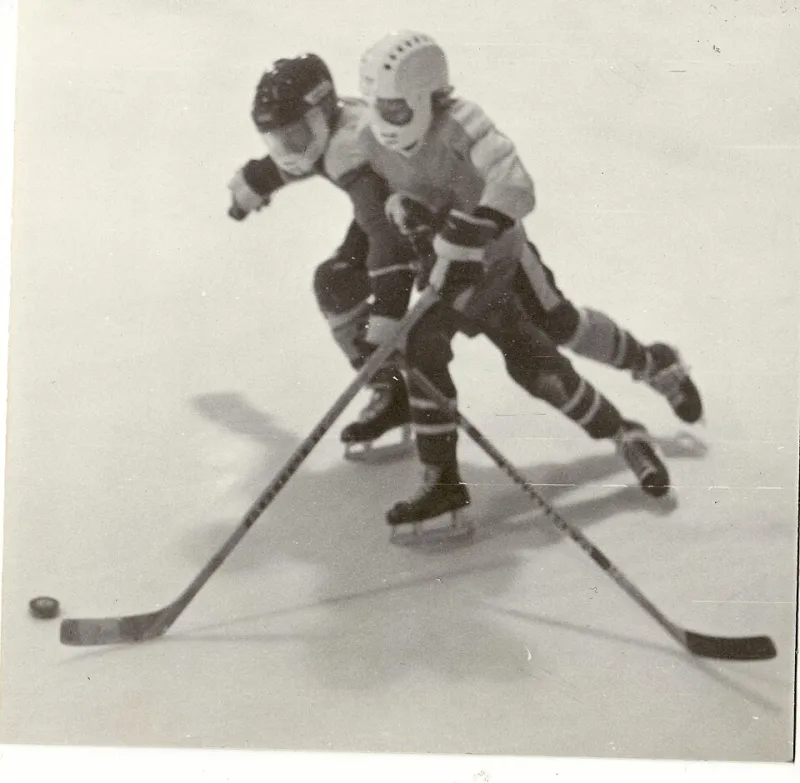
Photo: Deseronto Archives, No restrictions, via Wikimedia Commons
The rule was simple, universal, and required no enforcement mechanism beyond the sun itself: when the streetlights come on, you come home. No texts, no check-ins, no GPS location shared with an anxious parent. Just a kid on a bike, somewhere in the neighborhood, with an informal deadline written in the evening sky.
For roughly sixty years of American life, this was just how childhood worked. And then, in the span of a single generation, it stopped.
The Geography of a Kid's World
If you grew up in America before about 1990, your childhood likely had a physical scale that would surprise a kid today. Your territory wasn't a living room or a backyard — it was a radius. Maybe four blocks in every direction when you were seven. Maybe a mile or two by the time you were eleven. You knew which yards had dogs that bit and which ones had apple trees you could raid. You knew which storm drain made a good fort and which shortcut through the woods saved ten minutes.
Nobody mapped this territory for you. You discovered it yourself, usually in the company of other kids who were also just wandering around looking for something to do. The group was self-organizing. The activities were improvised. The rules of whatever game you invented were argued over, revised, and occasionally enforced by someone sitting on someone else.
That sounds chaotic, and it was — but it was a productive kind of chaos. The kids who couldn't settle a dispute without a fight learned, eventually, that fighting made games end early. The kid who cheated at kickball found out that cheaters don't get invited back. These were not lessons that required adult supervision. They were lessons that required the absence of adult supervision.
How the World Changed — and Why Parents Changed With It
The shift away from free-range childhood didn't happen because parents became worse, or more anxious for no reason. Several things changed simultaneously, and they reinforced each other.
American neighborhoods physically changed. Suburban sprawl reduced walkable space. Cul-de-sacs replaced block structures that naturally kept kids visible. Traffic increased. The eyes-on-the-street that Jane Jacobs wrote about — the informal neighborhood surveillance that made urban spaces safer — thinned out as more women entered the workforce and fewer people were home during the day.
 Photo: Jane Jacobs, via i.etsystatic.com
Media changed too. The nightly news began covering child abductions with a frequency and intensity that made them feel epidemic, even as crime rates were, over the long arc, declining. A handful of high-profile cases in the 1980s — Adam Walsh in 1981 being the most devastating — reshaped the national imagination about what could happen to an unattended child. The fear became disproportionate to the actual risk, but fear doesn't respond to statistics.
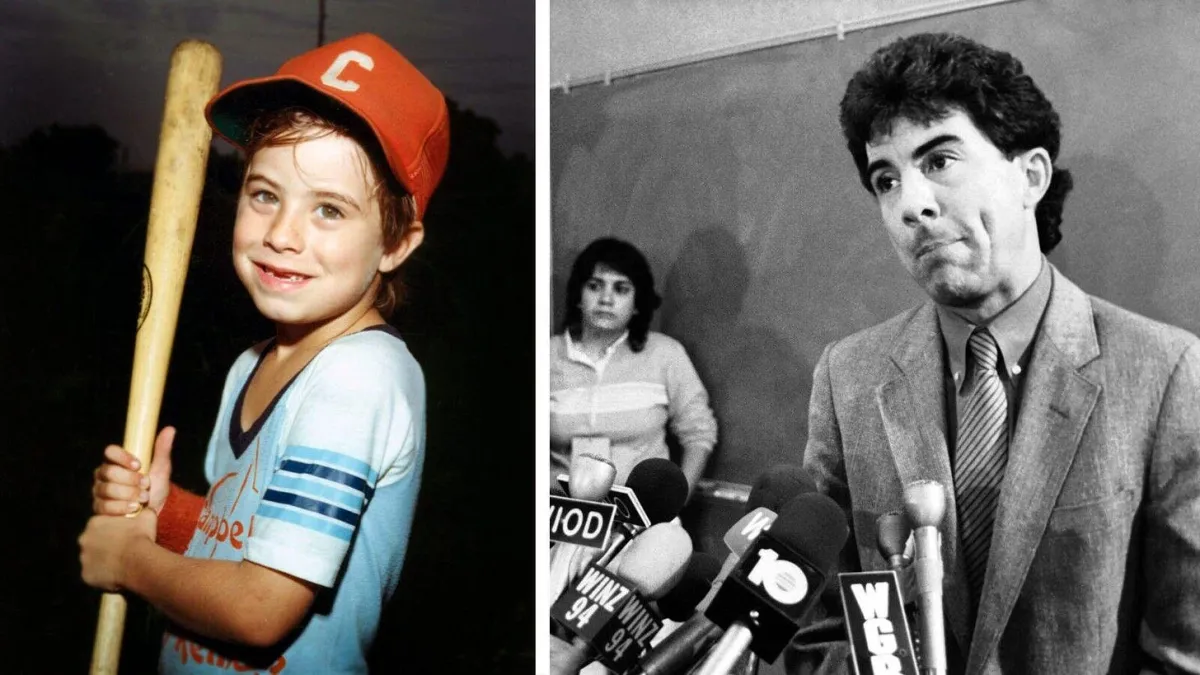 Photo: Adam Walsh, via substackcdn.com
And then screens arrived. First cable television, then video games, then the internet. Suddenly staying inside had genuine competition with going outside. The pull of the neighborhood weakened as the pull of the screen strengthened.
What Got Lost in the Transition
The childhood that replaced the streetlight era is, by most external measures, more comfortable and more stimulating. Kids today have access to more information, more organized activities, more curated experiences than any generation in history. They're safer from traffic, from strangers, from the minor physical dangers that used to be just part of the deal.
But something got traded away in that bargain, and researchers have spent the last two decades trying to articulate exactly what.
Jonathan Haidt, Jean Twenge, and others who study adolescent psychology have documented a striking deterioration in markers of youth mental health that began accelerating in the early 2010s. Anxiety, depression, and a reduced sense of personal agency have all trended upward among young Americans. The causes are debated, but one thread that runs through the research is the loss of what psychologists call autonomy experience — the sense that you can act in the world, make decisions, face consequences, and handle what happens next.
The kid who spent a summer building a raft out of scavenged wood and tried to float it on a creek got something from that experience that no organized activity can replicate: the direct, unmediated feedback of reality. The raft sank or it floated. Nobody helped plan it. The lesson was immediate and entirely theirs.
The Afternoon That No Longer Exists
There's a specific window of time that essentially no longer exists for American children: the weekday afternoon between school dismissal and dinner. For most of the 20th century, that two-to-three hour stretch was unscheduled and unsupervised for millions of kids. It was the time when the neighborhood came alive — bikes appearing from garages, kids materializing from back doors, the loose, improvisational society of childhood assembling itself on the sidewalk.
Today, that window is largely filled. Afterschool programs, organized sports, tutoring, music lessons, supervised playdates — the schedule has expanded to absorb the gap. The intentions are good. The results are children who are, in many ways, more accomplished. But the unstructured hours that taught a previous generation how to be bored, how to negotiate, how to entertain themselves, and how to be alone with their own thoughts — those hours are largely gone.
The streetlights still come on every evening. They just don't mean anything anymore.